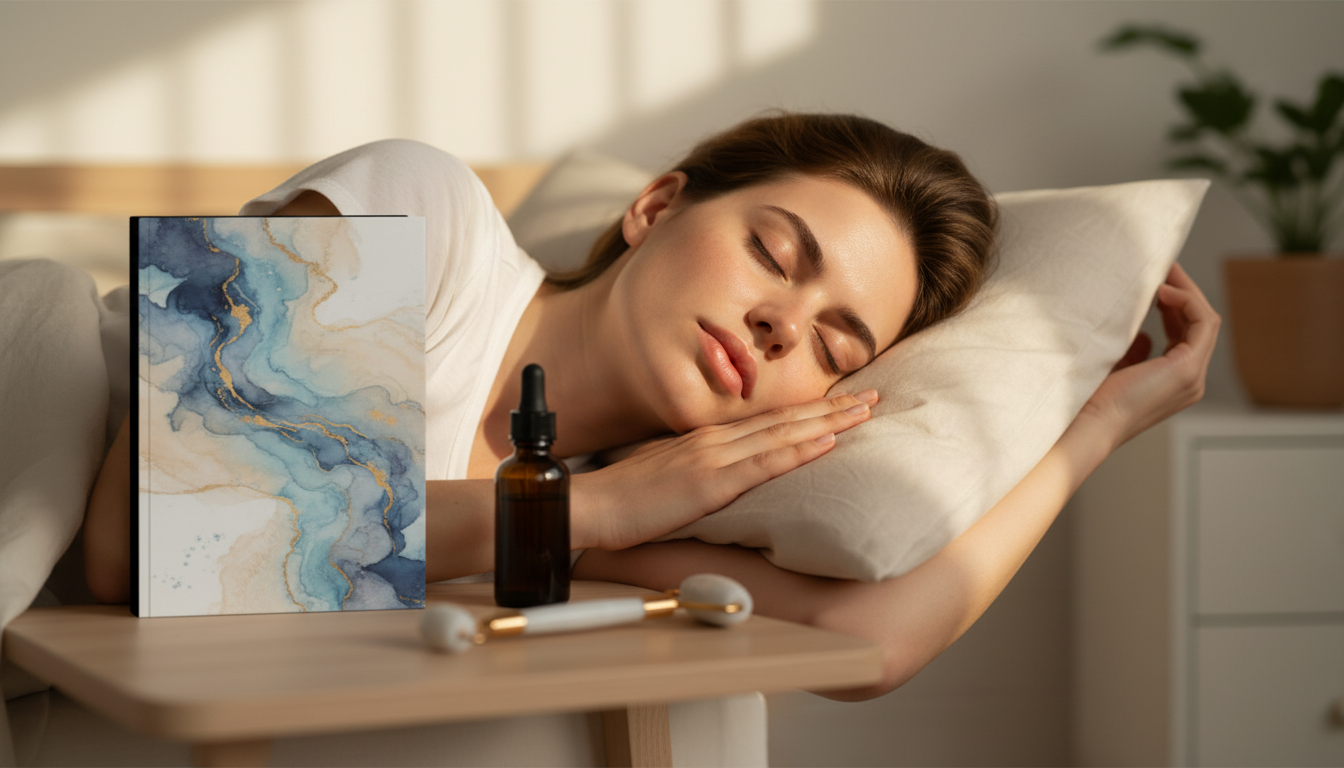
Skin renewal depends heavily on what happens overnight: barrier repair, hydration balance, inflammation control, and the hormones that influence collagen and oil production. When sleep is short or fragmented, the body stays in a more “stress-ready” state, which can show up as dullness, puffiness, dryness, more noticeable fine lines, and slower recovery from irritation. A consistent sleep routine can reinforce the skin’s natural repair cycle and make daily skincare work harder for longer.
Nighttime isn’t just “downtime” for your face. While you’re resting, skin shifts into maintenance mode—prioritizing recovery processes that are harder to complete when the day is full of UV, pollution, temperature swings, and constant facial movement.
That’s why a solid night can make even simple skincare feel more effective: fewer “leaks” in the moisture barrier, calmer reactivity, and a smoother baseline for makeup—or no makeup at all.
One rough night can show up quickly, but repeated short or disrupted sleep often changes how skin behaves. Stress physiology and sleep quality are closely linked, and skin tends to reflect that relationship.
| What you notice | What may be happening | Supportive habit to try tonight |
|---|---|---|
| Morning puffiness | Fluid shifts + less time in deep rest | Elevate head slightly; keep sodium and alcohol earlier |
| Dull, uneven tone | Slower recovery + reduced circulation rhythm | A short wind-down and consistent bedtime |
| Dryness or tightness | Barrier not fully repaired; more water loss | Gentle cleanse, moisturize, avoid very hot showers late |
| More visible fine lines | Dehydration + less restorative sleep | Hydrating layers and 7–9 hours when possible |
| More breakouts | Stress signals + disrupted immune balance | Regular sleep schedule; keep pillowcase clean |
Not all sleep is identical. Two stages tend to matter most for how “restored” you look: deep sleep and REM.
For most adults, the commonly recommended sleep window is 7–9 hours, but quality and regularity matter just as much as the number. Practical guidance on sleep hygiene and healthy habits is available from the CDC and the National Sleep Foundation.
A nighttime routine doesn’t need to be complicated—it just needs to be compatible with recovery. Think “calm and supportive,” not “aggressive and experimental.”
For barrier-first fundamentals that help reduce dryness and sensitivity, the American Academy of Dermatology offers clear, dermatologist-backed guidance.
If a step-by-step plan is helpful, How Sleep Shapes Your Skin and Slows Aging (digital guide) is built around rest, recovery, and day-to-day habits that influence how quickly skin appears to bounce back.
And if hair tangles are part of the nightly friction (literally), a gentler approach can reduce breakage and morning stress—Hair Detangling Checklist (digital download) can help streamline that step so bedtime stays calm.
Most adults do best with about 7–9 hours, but consistency and sleep quality matter just as much as the exact number. Short or fragmented sleep often makes skin look less recovered the next day, even if you’re using great products.
Lack of sleep can make fine lines look more noticeable by increasing dehydration and weakening the skin barrier, which affects how smoothly light reflects off the surface. Over time, ongoing sleep debt can also amplify stress-related inflammation, so improving hydration plus a steadier sleep schedule often helps quickly.
Puffiness is often related to fluid balance, sleep position, alcohol or salty foods later in the day, and congestion that affects normal drainage overnight. Slight head elevation, earlier meals, and more consistent deep sleep can reduce that swollen, heavy look in the morning.













Leave a comment