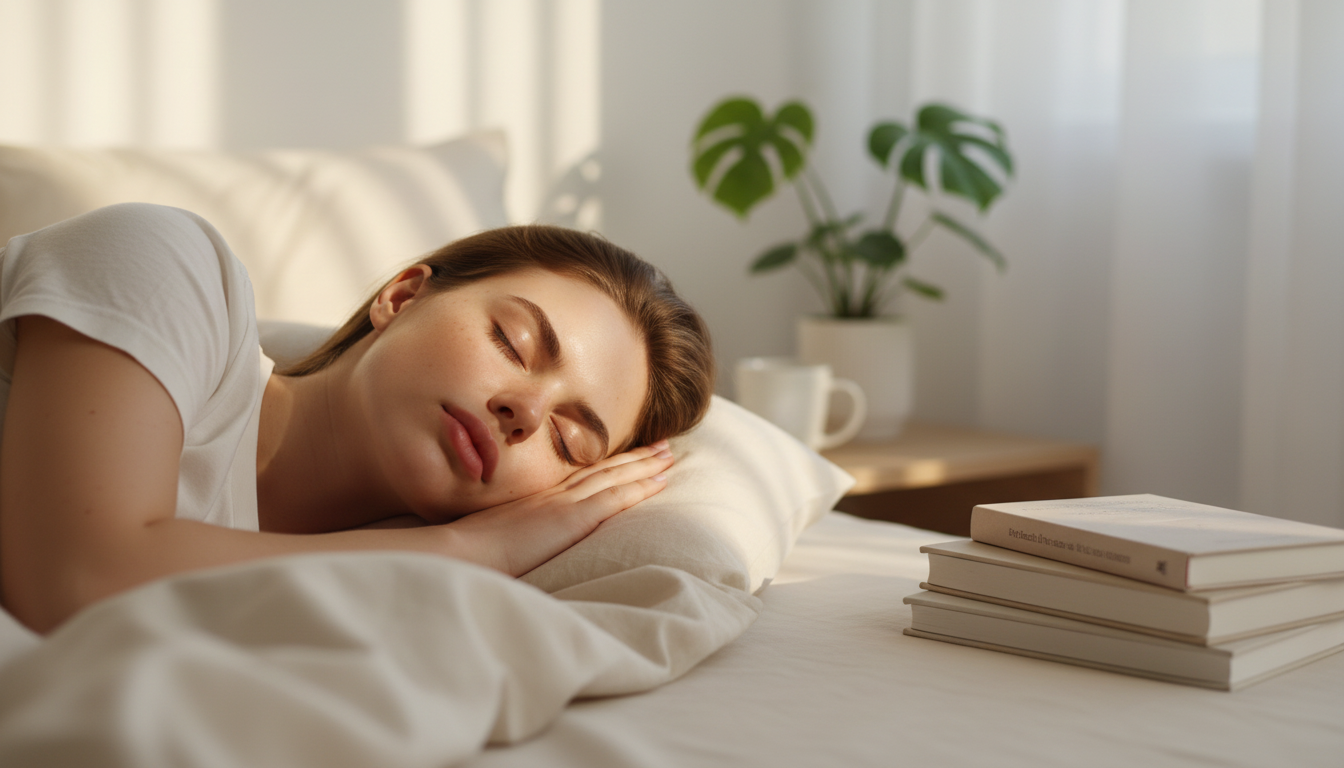
Sleeping more can’t fully reverse skin aging, but it can noticeably improve signs that look like “aging,” especially dullness, puffiness, uneven tone, and the look of fine lines caused by dehydration and inflammation. Think of sleep as a powerful repair window: it helps skin recover, strengthens the moisture barrier, and supports collagen-friendly processes that keep skin looking smoother and more resilient.
During deeper sleep, skin shifts into a repair mode. Healthy sleep helps the skin barrier work better, which means less water loss and less sensitivity. When the barrier is stronger, skin often looks plumper and lines appear softer because the surface is better hydrated.
Short or poor sleep is linked with higher stress signals that can drive inflammation. Inflammation can make pores look larger, amplify redness, and worsen conditions like acne or eczema—issues that can make skin look older. More consistent sleep can reduce that drawn, tired look and help the complexion appear clearer.
Sleep doesn’t erase deep wrinkles the way procedures might, but it does support the body’s natural maintenance of collagen and elastin over time. When sleep is chronically cut short, skin can have a harder time bouncing back from daily stressors like UV exposure and pollution.
You’re most likely to see improvements in brightness, texture, and under-eye puffiness within days to weeks of better sleep. Deeper wrinkles, sunspots, and significant sagging are mostly driven by long-term UV exposure, genetics, and collagen loss; these usually need a combined approach (sun protection, effective skincare, and sometimes professional treatments) for major change.
Aim for a steady schedule and 7–9 hours when possible, prioritize a dark/cool room, and avoid late-night alcohol, which can dehydrate skin. Pair better sleep with daily sunscreen and a simple nighttime routine (gentle cleanse + moisturizer) for the biggest payoff.
For a deeper breakdown of what sleep can realistically do for skin and how to maximize results, visit the main guide here.
Side sleeping can contribute to “sleep lines” from repeated compression, especially on the cheek and chest. A smoother pillowcase, changing positions, and consistent moisturizing can help reduce their appearance over time.













Leave a comment