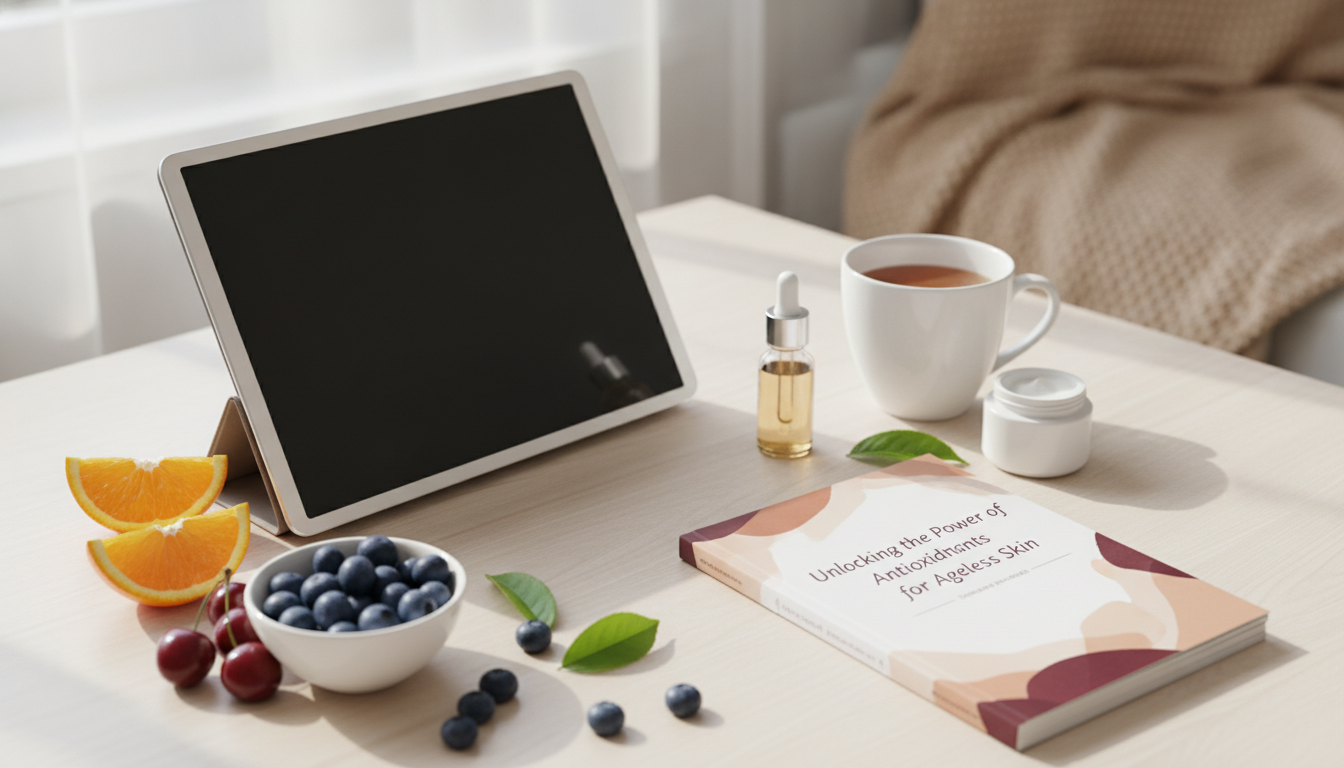
Daily UV exposure, pollution, stress, and normal metabolism create free radicals that can weaken skin’s supportive structure and contribute to dullness, uneven tone, and the look of fine lines. Antioxidants help neutralize this oxidative stress and support a healthier-looking skin barrier. Below is a guide-style breakdown of what antioxidants do, which types matter most, how to layer them, and how to choose stable formulas that hold up in real-world routines.
Oxidative stress is what happens when free radicals outpace your skin’s ability to keep them in check. Free radicals can form from UV radiation, visible light, air pollution, smoking, lack of sleep, and inflammation. Over time, this can:
For a dermatologist-friendly overview of the basics, DermNet NZ offers a clear explainer on free radicals and antioxidants.
Antioxidants in skincare are best understood as “support ingredients” that help reduce the visible effects of daily exposure. Used consistently, they can:
What they do not do: antioxidants don’t replace sunscreen. UV protection remains the foundation for preventing photoaging. For practical sunscreen guidance, the American Academy of Dermatology has a helpful Sunscreen FAQs resource.
Also, results depend heavily on stability, packaging, concentration, and how the product is stored and used—an excellent formula can underperform if it oxidizes quickly or sits half-open in a steamy bathroom.
Antioxidants aren’t one ingredient; they’re a category. Different families shine in different routines:
| Antioxidant type | Best-known benefit | Pairs well with | Who it tends to suit |
|---|---|---|---|
| Vitamin C | Brighter tone, antioxidant support | Vitamin E, ferulic acid, sunscreen | Dullness, uneven tone, photoaging concerns |
| Niacinamide | Barrier support, smoother look, tone balance | Ceramides, hyaluronic acid, gentle retinoids | Sensitive, oily/combination, uneven tone |
| Green tea (EGCG) | Calming + antioxidant support | Sunscreen, hydrating serums | Redness-prone, urban exposure |
| Vitamin E | Barrier support, lipid protection | Vitamin C, moisturizers | Dry or compromised barrier |
| Resveratrol | High antioxidant activity | Vitamin C derivatives, peptides | Advanced anti-aging routines |
The most effective routines are the ones you can repeat without irritation or guesswork.
If you like keeping your skincare essentials organized for travel or your gym bag, a compact pouch can make routines easier to stick with. The Blue Vintage Floral Makeup & Travel Clutch Bag is a simple way to keep SPF, serum, and moisturizer together.
For a calming wind-down ritual that supports better routine consistency, consider adding a low-effort de-stress step like the Cute Geometric Scented Candle – English Pear & Freesia as part of your evening reset.
If you want a structured plan (instead of guessing what to buy or how to layer), Unlocking the Power of Antioxidants for Ageless Skin (digital eBook download) breaks it down into clear, repeatable steps.
For a separate self-paced care guide, the Hair Detangling Checklist (digital download) pairs well with a “low friction” beauty routine—quick steps, less breakage, and fewer frustrating mornings.
No. Antioxidants help support skin against oxidative stress, but they do not block UV rays; broad-spectrum SPF is still the daily essential, with antioxidants as an added layer of support.
Morning is ideal because it aligns with daily UV and pollution exposure, but many antioxidant formulas can also be used at night. Choose based on how your skin tolerates the product and how it fits with your other actives.
Darkening usually indicates oxidation, which can reduce effectiveness over time. Opaque, air-limiting packaging and cool, dark storage can slow this process, and it’s often best to replace a serum that has become significantly darker or starts to irritate.







Leave a comment